Heating and Cooling Springfield Missouri: Steps to Manage Temperature in Split-Level Homes
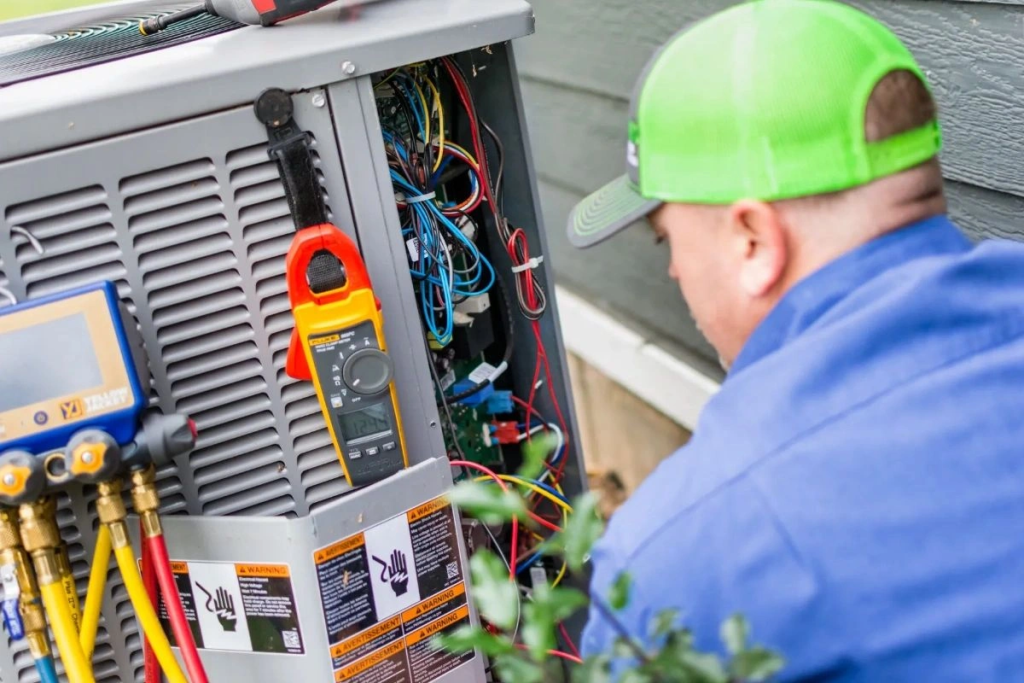
Split-level homes are popular for their efficient use of space and open floor plans, but they often present unique challenges for heating and cooling. In Springfield, Missouri, homeowners with split-level homes may notice uneven temperatures between levels, making some areas too hot in summer or too cold in winter.
Redeemed HVAC, a trusted heating and cooling Springfield, Missouri provider explains practical steps to manage temperatures in split-level homes and improve comfort throughout the year.
Understanding the Challenges of Split-Level Homes
Split-level homes typically have staggered floors with short sets of stairs between levels. This layout can create temperature differences because:
- Heat rises: Upper levels often become warmer than lower levels.
- Cool air sinks: Basements or lower levels may feel cooler than the rest of the home.
- HVAC distribution: Standard duct layouts may struggle to evenly heat or cool multiple levels.
Without proper planning, these factors can lead to uncomfortable rooms, higher energy bills, and strain on your HVAC system.
Step 1: Evaluate Your HVAC System
Before making changes, it’s important to assess whether your current HVAC system can handle a split-level home effectively. Consider:
- System size: Is your furnace or air conditioner adequately sized for all levels?
- Duct layout: Are ducts delivering airflow evenly to each level?
- Thermostat placement: Are thermostats located in areas that accurately reflect average temperatures?
Redeemed HVAC recommends professional HVAC evaluations to ensure your system is balanced and efficient for a multi-level layout.
Step 2: Install Zoning Systems
Zoning is one of the most effective ways to manage temperature differences in split-level homes. A zoning system divides your home into separate areas with individual controls, allowing you to:
- Adjust temperatures independently on different levels.
- Reduce energy usage by heating or cooling only occupied areas.
- Improve comfort in rooms that are typically hotter or colder than others.
Zoning works best with motorized dampers in ductwork and multiple thermostats, providing precise control over each level of your home.
Step 3: Use Fans for Air Circulation
Proper air circulation can help equalize temperatures between floors. Fans are simple but effective tools:
- Ceiling fans: Push warm air down in winter or circulate cool air in summer.
- Portable fans: Move air between rooms or levels to reduce hot or cold spots.
- Whole-house fans: Exhaust hot air in summer, especially in the upper levels, while drawing cooler air from lower floors.
These solutions can supplement your HVAC system and improve overall comfort.
Step 4: Insulate and Seal Properly
Temperature imbalances are often worsened by poor insulation or air leaks. Key areas to check include:
- Attics and crawl spaces: Insulate floors and ceilings to prevent heat loss or gain.
- Walls between levels: Proper insulation helps maintain consistent temperatures.
- Windows and doors: Seal gaps to prevent drafts and heat transfer.
Well-insulated and sealed homes make HVAC systems more effective and reduce energy consumption.
Step 5: Consider Temperature-Adjusting Strategies
In addition to HVAC solutions, homeowners can use simple strategies to manage temperature in split-level homes:
- Close doors to unused rooms: Prevents airflow from escaping to areas that don’t need heating or cooling.
- Use window treatments: Blinds, shades, and curtains reduce heat gain from sunlight.
- Adjust thermostat settings seasonally: Small changes for upper or lower levels can help balance comfort.
These steps are low-cost ways to reduce temperature differences and improve comfort.
Step 6: Upgrade HVAC Components if Necessary
Sometimes, managing temperature in split-level homes requires HVAC upgrades:
- Variable-speed air handlers: Adjust airflow automatically based on demand.
- High-efficiency systems: Improve heating and cooling performance while reducing energy costs.
- Smart thermostats: Allow remote adjustments and learning of household patterns to optimize comfort.
Redeemed HVAC can recommend upgrades that are appropriate for your home’s size, layout, and comfort needs.
Seasonal Considerations
Split-level homes may require different approaches depending on the season:
- Summer: Upper levels may overheat. Use ceiling fans, shading, and zoning to keep temperatures balanced.
- Winter: Lower levels may feel colder. Adjust dampers, circulate warm air, and consider supplemental heating if necessary.
Seasonal adjustments help maintain a comfortable environment year-round while reducing energy waste.
Practical Tips for Homeowners
- Schedule a professional HVAC assessment to evaluate airflow and system capacity.
- Install zoning systems for independent temperature control on each level.
- Use fans strategically to circulate air between floors.
- Insulate and seal areas that allow heat to escape or enter.
- Combine simple strategies like window treatments and door management with HVAC adjustments.
Comfortable Multi-Level Living
Split-level homes can present unique heating and cooling challenges, but careful planning and targeted solutions make them comfortable year-round. By evaluating your HVAC system, adding zoning, improving insulation, and using circulation strategies, homeowners in Springfield, Missouri, can reduce temperature differences and lower energy costs.
For professional guidance, Redeemed HVAC provides expert evaluations, installations, and upgrades to help split-level homeowners achieve consistent comfort throughout their homes.
Managing temperature in split-level homes doesn’t have to be complicated. With expert advice and smart solutions from Redeemed HVAC in Springfield, Missouri, you can enjoy a comfortable home on every floor while maximizing energy efficiency.

Redeemed HVAC
10224 W Farm Rd 178, Republic, MO 65738
(417) 241-5687
https://redeemedhvac.com/